
Driving Simulator Hardware Explained
Explore driving simulator hardware, including steering systems, pedals, and motion platforms. Learn how advanced setups improve driver training and realism.
Understanding Driving Simulator Hardware
Driving simulator hardware forms the backbone of professional driver training and vehicle research.
From steering wheels and pedals to motion platforms, each component replicates real-world driving experience with precision and safety.
High-quality hardware ensures accurate feedback, immersive scenarios, and effective skill development for drivers across public services, transportation, and training schools.
Steering Systems: Precision&Force Feedback
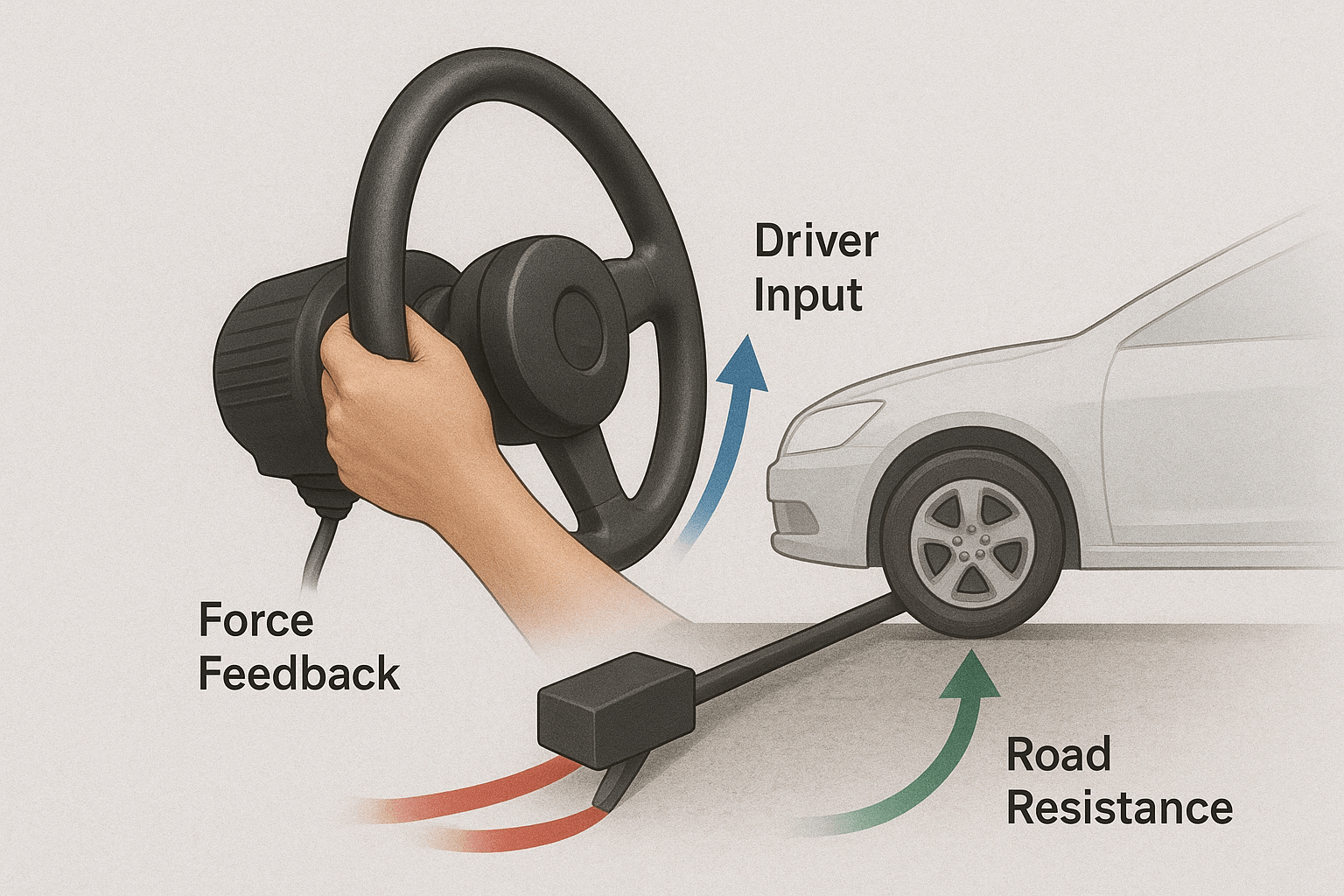
High-quality simulator steering systems provide realistic control through force feedback and accurate rotational angles.
Modern setups range from basic steering wheels to high-precision force-feedback systems that replicate road conditions, vehicle dynamics, and emergency handling.
Ideal for advanced driver training, vehicle testing, and research applications, these systems significantly enhance simulation realism.
Pedal Systems: Brake, Accelerator & Clutch
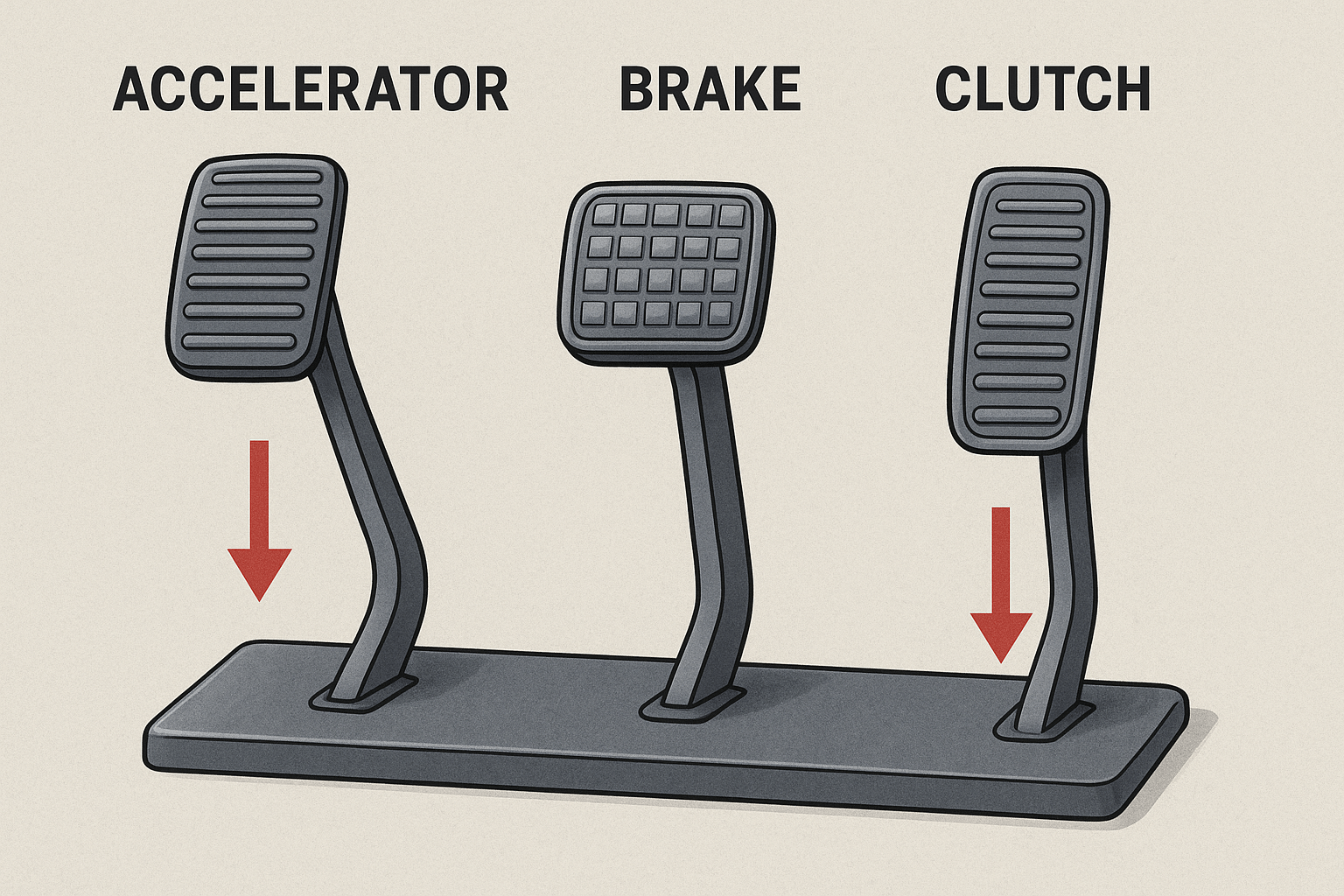
Pedal systems in driving simulators include brake, accelerator, and clutch pedals with adjustable resistance and force feedback.
Precision and responsiveness are crucial for realistic vehicle control and driver skill development.
High-end pedals replicate the feel of different vehicles, allowing trainees to experience various driving conditions safely and effectively.
Motion Platforms: Bringing Realistic Movement
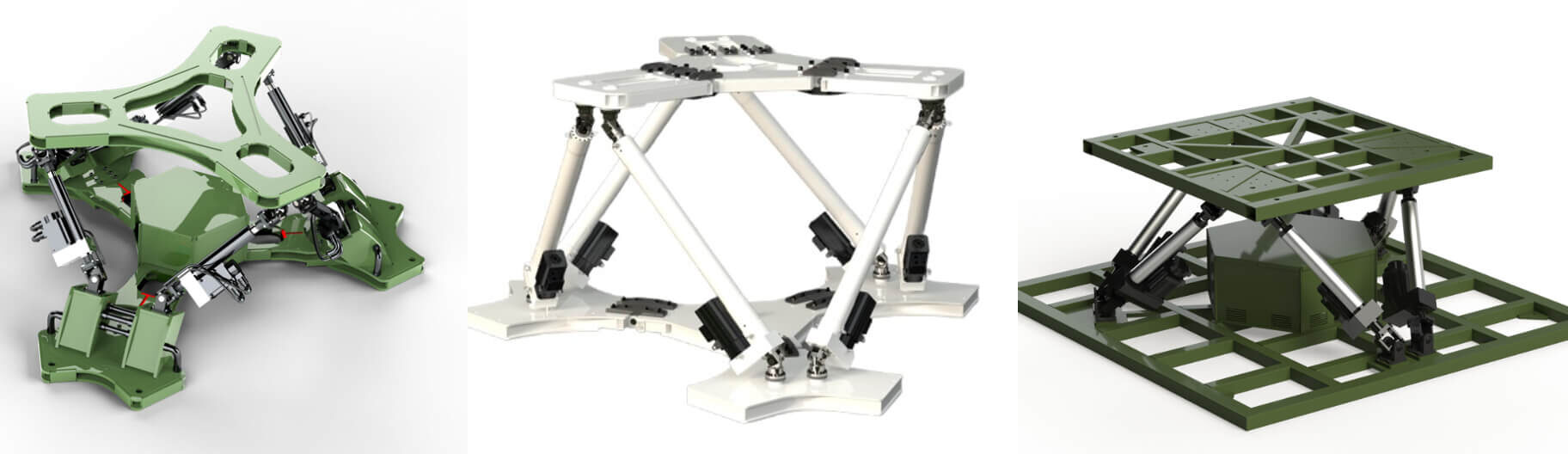
Motion platforms, from single-axis to six degrees of freedom (6-DOF), simulate vehicle movements such as tilting, swaying, and acceleration.
They enhance immersion, improve driver reaction training, and safely replicate emergency scenarios.
Advanced motion systems are particularly valuable in professional driver training, research, and transport vehicle testing.
Peripheral Devices & Accessories
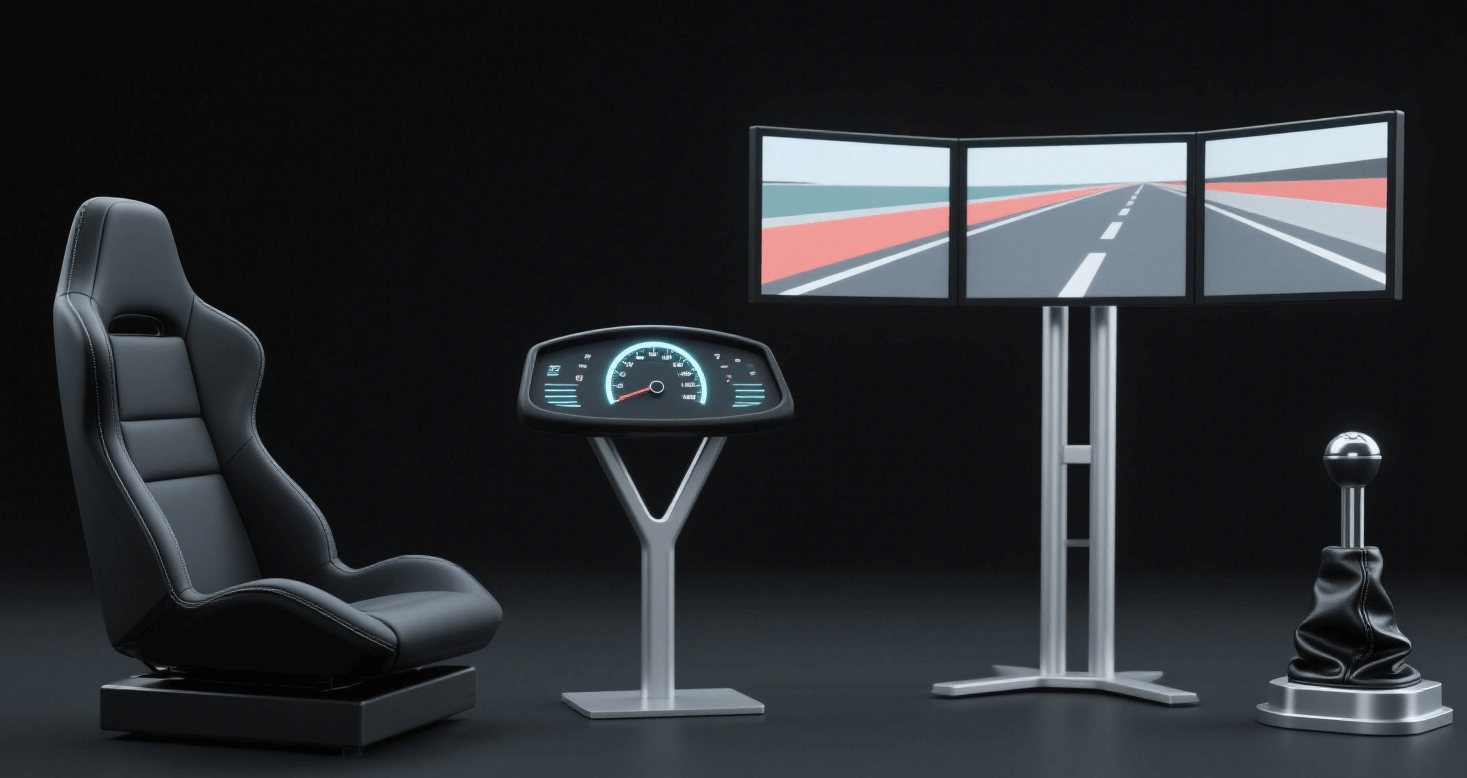
Simulator peripherals include instrument panels, gear shifters, steering wheel mounts.
These components complete the simulator cockpit, offering realistic interfaces and monitoring capabilities.
Well-designed peripherals improve both trainee engagement and instructor oversight during professional training sessions.
Choosing the Right Simulator Hardware
Selecting the appropriate simulator hardware depends on training objectives, budget, and required precision.
Professional setups balance hardware quality, responsiveness, and cost-effectiveness to deliver realistic driving experiences.
High-end configurations provide maximum immersion, while entry-level setups still ensure safety and basic skill development.
Conclusion: The Importance of Advanced Hardware
Professional driving simulators rely on high-quality hardware to deliver accurate, safe, and immersive training experiences.
From steering and pedals to motion platforms and peripherals, each component contributes to effective skill development.
Choosing the right setup ensures trainees receive realistic experiences tailored to their training needs.